Food Processing Technology
Which technology do you need?
There is currently no equipment listed with your specified properties, but we are sure we can help you. Try us! Contact us
Tell us about your production challenge
Processing equipment prepares raw foods for consumption
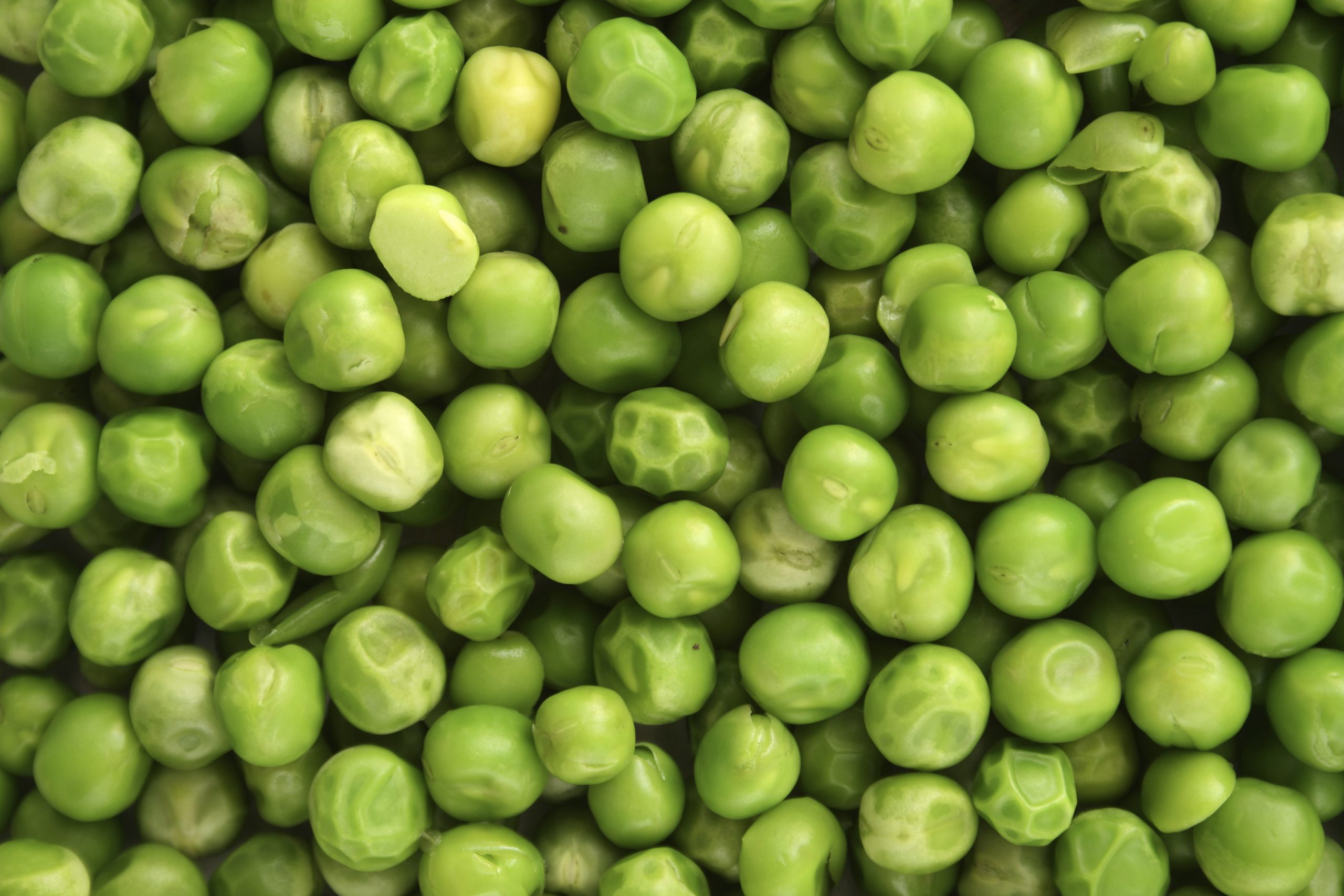
Primary processing turns raw foods into digestible products. Harvested agricultural and farm produce is treated with heat or pressure to convert their natural compounds, making them safe for consumption.
Some techniques, such as meat drying or milling wheat, predate industrial food processing equipment. But, as technology develops, methods become more refined. Pasteurization, for example, has come a long way since the original low-temperature long-time process (LTLT) of the nineteenth century. Tunnel pasteurizers make continuous processing possible, and the machines can be configured for a range of beverages, from beer to fruit juice.
Turn ingredients into products with secondary food processing equipment
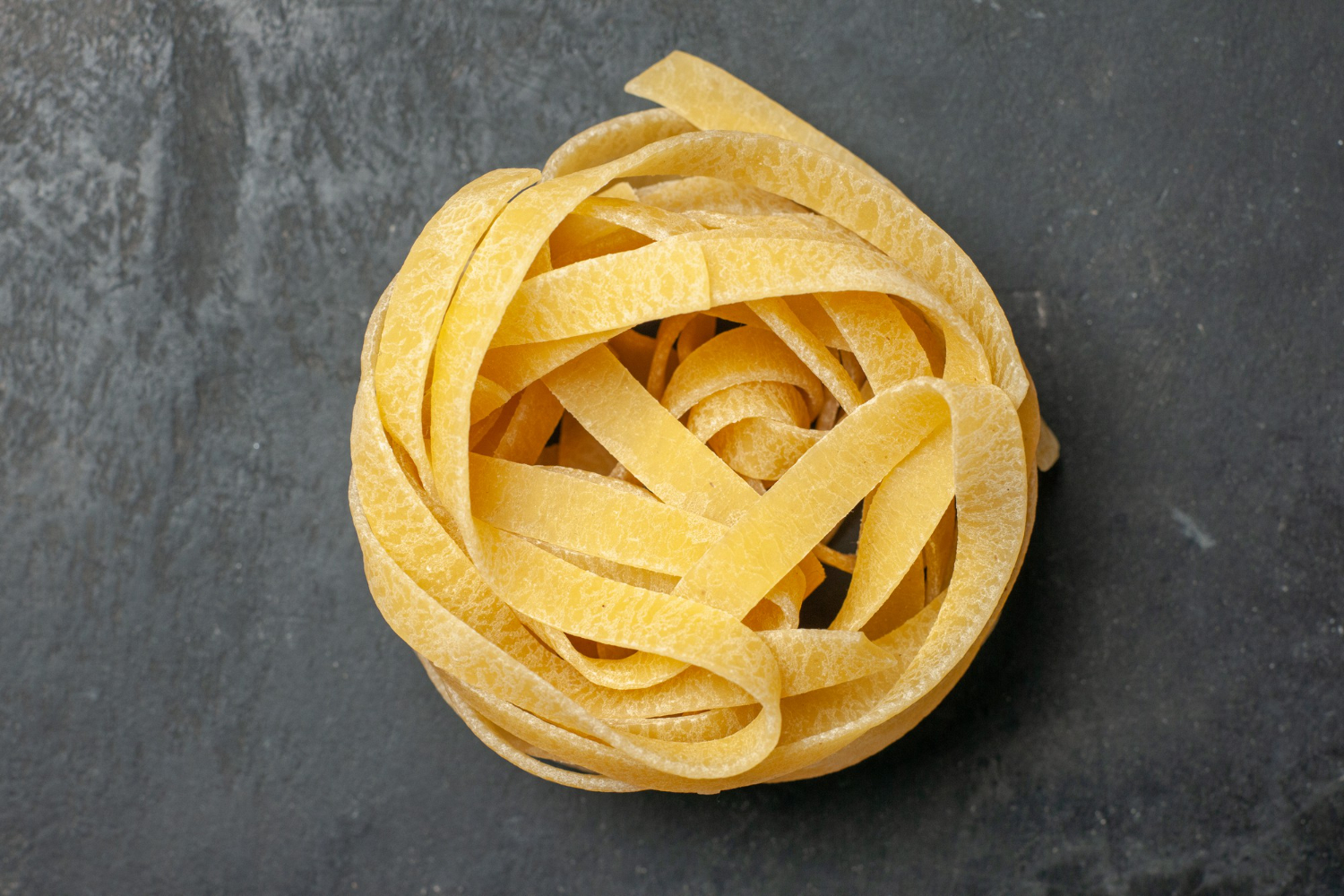
Food products often require further processing to be made into ready-to-eat products. To produce chocolate, the cocoa beans go through a long line of processes. The fermented beans are roasted, winnowed, and pressed to separate the oils from the nibs. The refined mixture is then prepared for conching to remove unwanted compounds. At the end of this chain of processes, the ingredient is ready to be formulated into chocolate products.
Chocolate is only one of the foods that undergo secondary processing. Bakery products, mustard, canned fruit, and most foods we consume are a blend of primary processed ingredients that are subsequently mixed, heated, chilled, or treated with other processing methods.
Food manufacturing applies mechanical and chemical processing methods
Secondary processing can either be mechanical or chemical. Mechanical food processes include a variety of methods, such as depositing gelatin formulations to make vitamin gummies or frying potato slices to make chips.
Chemical processing involves molecular transformation techniques, like hydrogenation to make edible oil or adding enzymes to milk in cheese-making.

Choose the right industrial cooker for your food product
Cookers are ubiquitous food processing equipment in the food sector. Although the principle of heat distribution is the same, technologies adapt to the items they produce.
Industrial cooker systems designed for classic preparations like soups and purees take direct heat. Indirect heating methods are more suitable for delicate foods such as sauces and condiments. Some cookers apply vacuum technology to control the texture of the ingredients and are specially used for jams, creams, or ganache. Special formulations like baby foods or milk desserts are cooked in aseptic cookers to ensure a sterile environment.
Tertiary food processing extends the shelf-life of items
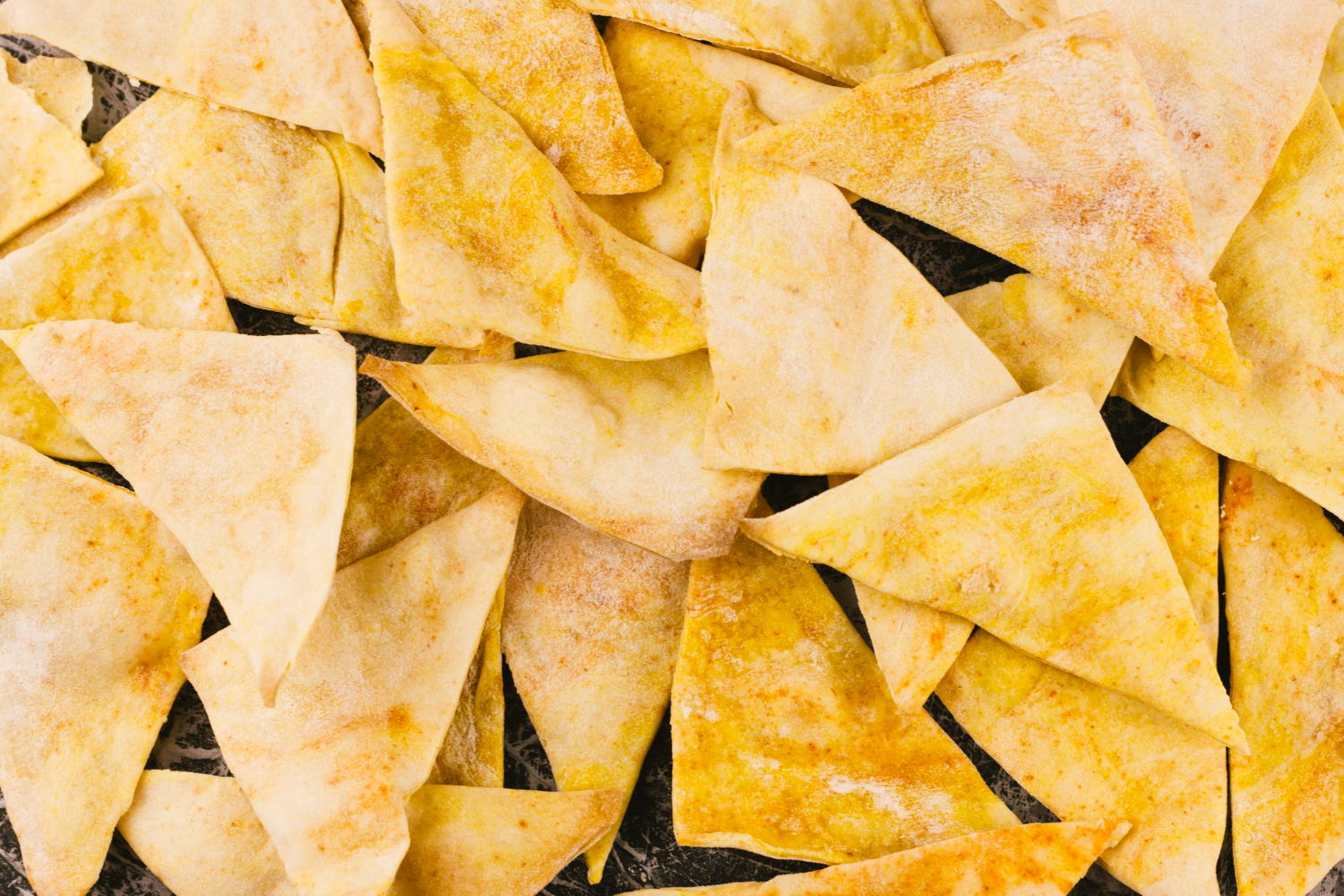
Convenience foods that are ready to be consumed with little or no preparation go through tertiary processing. These products are commonly formulated from starches, fats, and protein isolates and combined in a mixer with reaction flavors, emulsifiers, and colorants.
Snacks like extruded cereals or heat-and-serve meals like frozen pizzas are formulated for longer shelf-lives and contain higher quantities of additives such as salts and sugars. However, nutrition concerns are driving food manufacturers to reduce these ingredients from their formulations.
Applying processing techniques to create new food specialties
Food processing equipment makes traditional recipes easy to make on a large scale. But production technology also helps to develop new categories.
One example is the growing trend in plant-based foods supported by advanced manufacturing systems. A line of fine grinding, gentle mixing, and homogenizing technology is able to turn legumes into vegan cheese spreads or vegan salmon. Processing equipment opens up new possibilities for the food industry.
Let's talk about your project!