Chocolate Making Equipment
Which technology do you need?
There is currently no equipment listed with your specified properties, but we are sure we can help you. Try us! Contact us
Tell us about your production challenge
Everything starts with cocoa beans
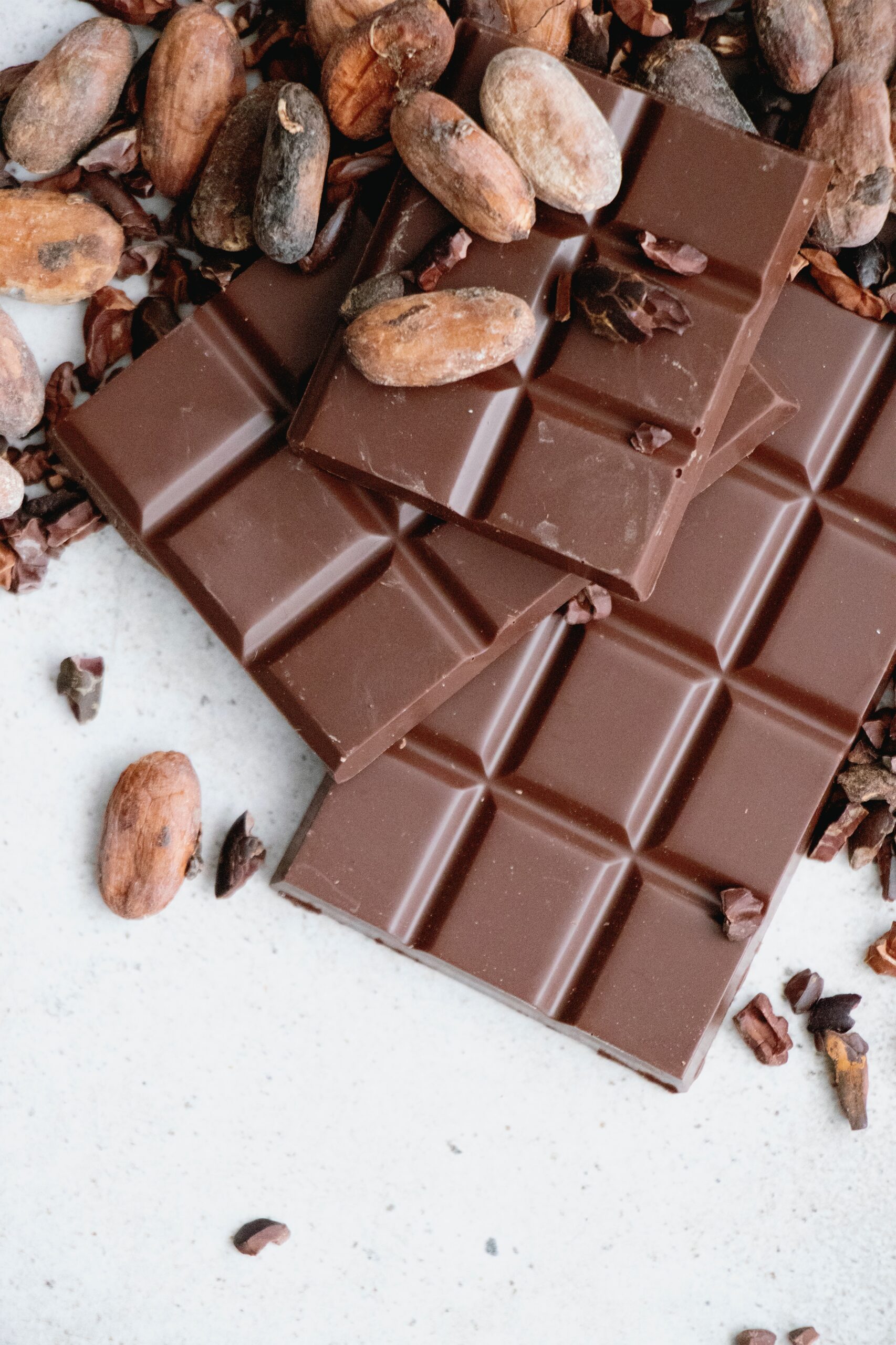
Whatever chocolate product you want to make, your chocolate production process starts with cocoa beans. After leaving them to ferment for a few days, the beans are dried to reduce the moisture level.
Roasting is vital because it develops the chocolate flavor. The beans break down in the roaster, and the shell is removed through the winnowing step, separating the cocoa nibs from their husk. If there is any residual shell, this could affect the flavor of the chocolate.
Cocoa butter - more than chocolate
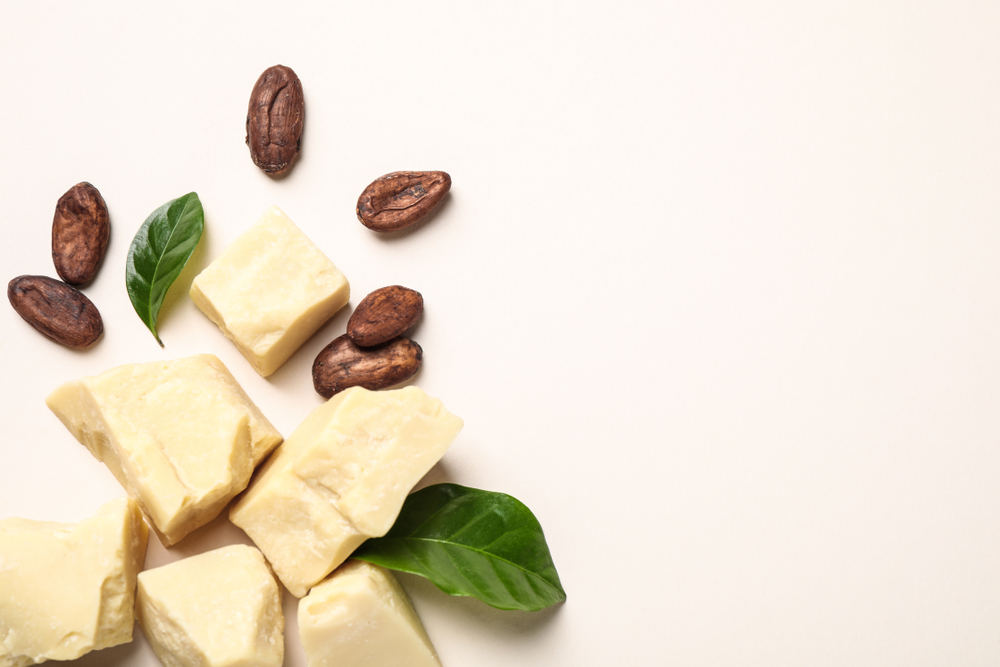
After removing cocoa nibs from their shells, they are ground into a thick paste called cocoa liquor which is pressed to separate the solid content from the butter. To remove its strong natural odor, cocoa butter is sometimes deodorized by steam injection during chocolate production.
Other than in chocolate making, manufacturers make cocoa butter odorless and tasteless through steam and vacuum extraction for use in various industries such as pharmaceuticals.
Chocolate bars, chocolate bonbons, chocolate coatings… the list goes on, you name it
Chocolate making equipment – from beans to bars
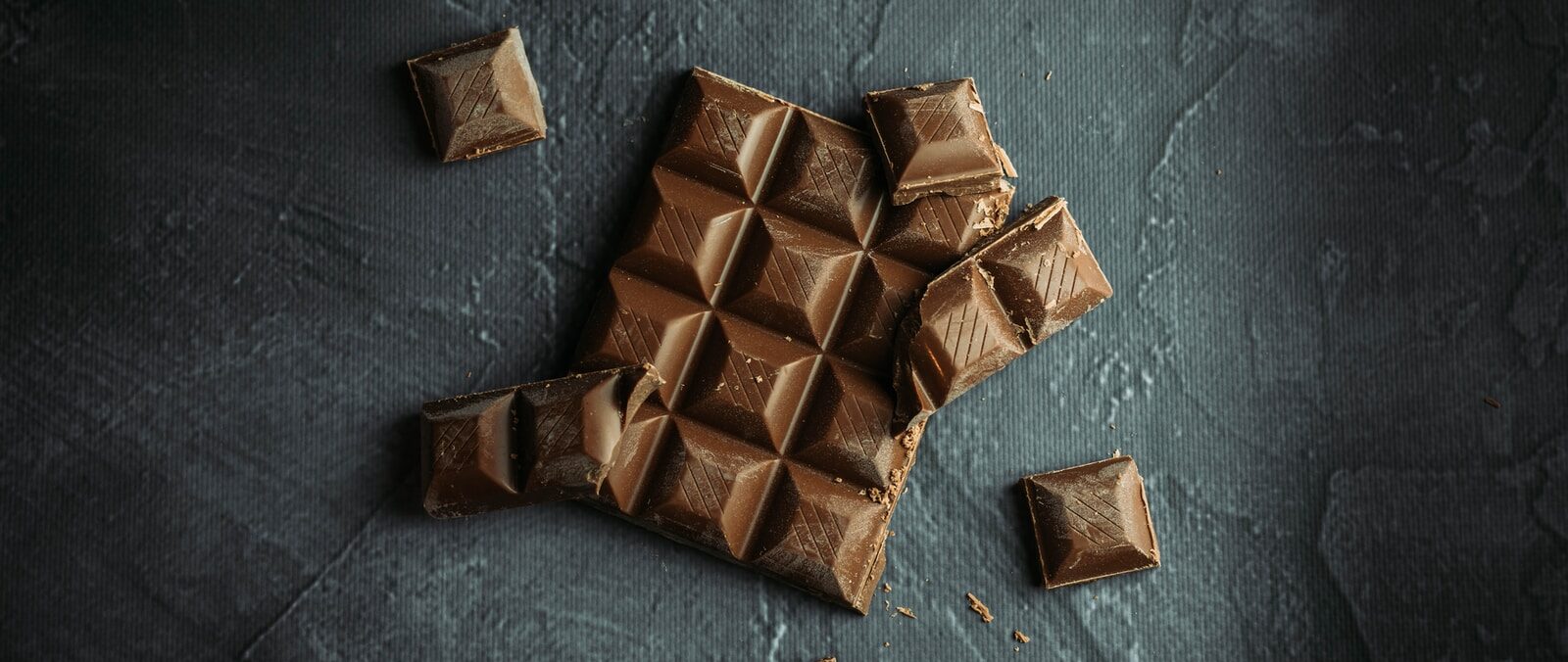
Chocolate bars are bar-shaped confections made of solid chocolate. They may also include other ingredients such as caramel, fruits or nuts. Once tempered, chocolate is poured into plastic molds where vibrations are applied to remove all the air bubbles.
After cooling and solidifying, chocolate bars are removed from the molds and wrapped in foil or paper packaging. Make sure your chocolate making equipment includes grinders, molding machines and refiners.
Bonbons and Truffles: Brothers without scuffles
Chocolate bonbons and truffle balls are similar chocolate products, usually mistaken for each other. Which makes what, then?
Both require chocolate tempering, can be molded or enrobed, and can come in many designs. The same chocolate making equipment for bonbons and truffles can be used to produce each other. The difference lies in their core, literally.
You can consider chocolate-shelled products as truffles when their core is filled with ganache. A tempering machine raises the temperature of the chocolate to 46°C before cooling it to around 26°C. A second process then reheats it to 30°C.
On the other hand, bonbons have cores made of fruit puree, caramel, nut pastes, and many more. The process starts filling the molds with tempered chocolate to form the shell. To get rid of any air bubbles, molds must be vibrated. After hardening, the shell is filled and sealed with another chocolate layer.
Tempering – the essence for making chocolate coating
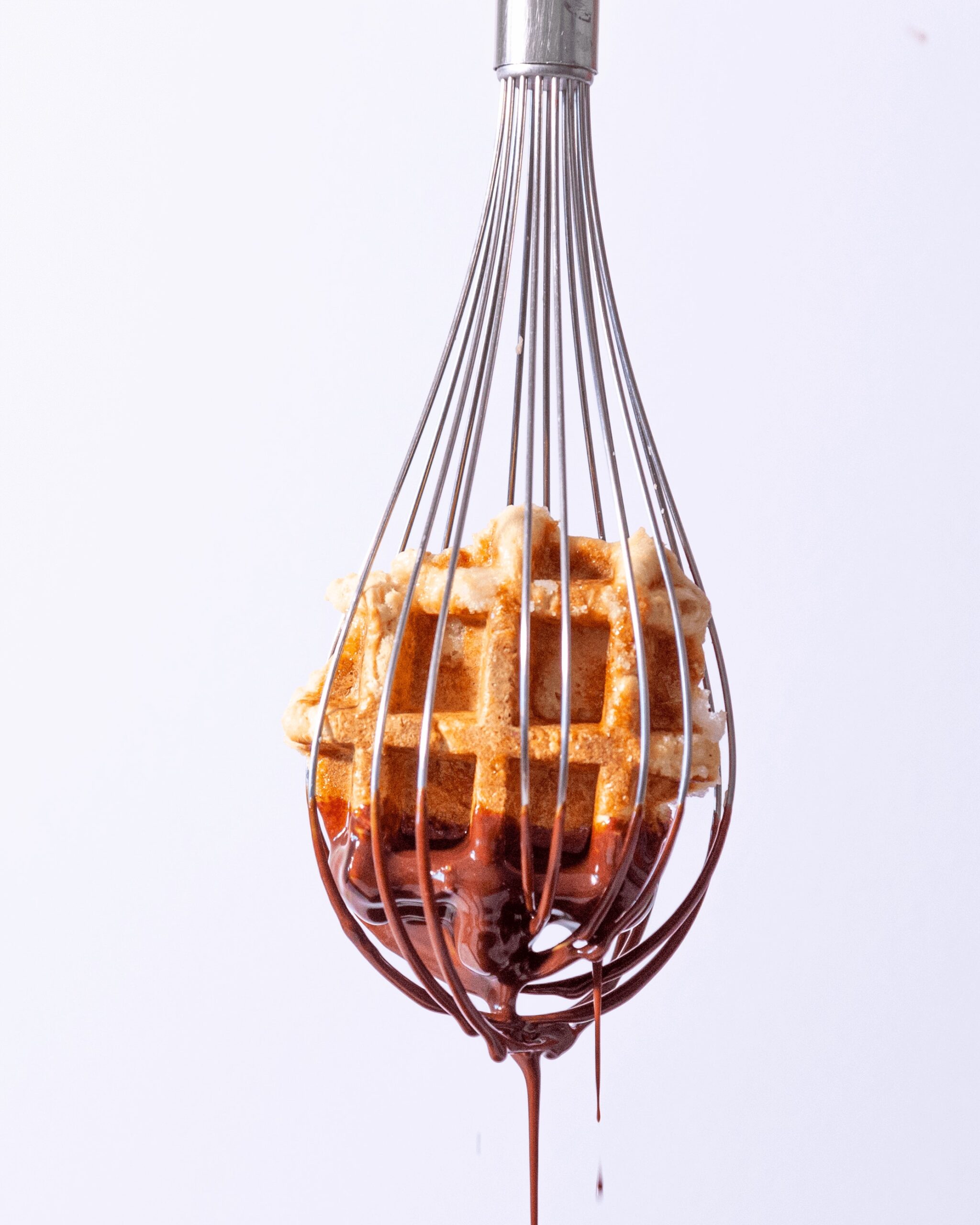
Chocolate coating used for cakes or other desserts is nothing more than chocolate in its liquid form. To get the snap and the gloss look tempering step is all that matters.
Chocolate makers employ tempering because of the unique process of cocoa butter crystallization. The process involves heating and cooling the chocolate so that the fats (cocoa butter) crystallize evenly.
Do you always need a chocolate tempering machine for making your chocolate coating?
No, definitely not.
Compound chocolate is also known as compound coating since it is widely used for coating candy bars. Since there is no cocoa butter, compound coatings don’t need to be tempered, but simply melted and used.
Compound chocolate is made from cocoa, vegetable fats, and sweeteners. Vegetable fats such as coconut oil and palm oil are used as replacements for cocoa butter and instead of chocolate liquor, it has cocoa powder inside.
Molding vs. enrobing for your chocolate products
Choosing to use a chocolate enrober or a chocolate melting machine depends on the design of your chocolate product and its filling.
When using molding, you need to form the shell of your product first, fill it with a flavoring, cover it and cool it. Compared to molding, enrobing is a faster method. You have to form the core of your product first and then you can pour your liquid chocolate over it.
Enrobing machines can also work with several ingredients, such as nuts or chili powder.
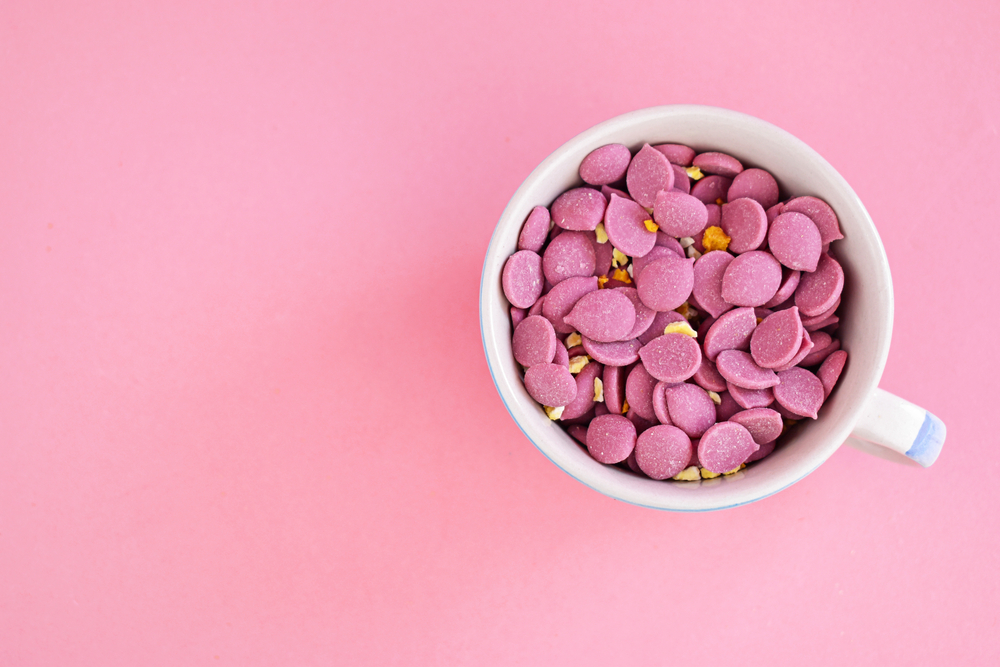
Think pink! Ruby chocolate makes its entrance
Ruby chocolate is the fourth variant of chocolate, along with milk, dark and white varieties. It has a natural pink color and the taste is sweet and sour. Made from ruby cocoa beans by minimizing fermentation (no more than three days or less), treating them with an acid, and removing fatty acids to retain the color.
If you are planning to produce ruby chocolate, you can still use the same chocolate making equipment. Grind and melt the beans, subject the pink chocolate to tempering and refinement, and finally cool, cut, and pack your ruby chocolate product.
Chocolate making equipment in action
Chocolate bar decoration
Chocolate analyzers explained
Complete chocolate line
Let's talk about your project!