Candy Making Equipment
Which technology do you need?
There is currently no equipment listed with your specified properties, but we are sure we can help you. Try us! Contact us
Tell us about your production challenge
Candy making equipment for hard and soft candies
Candy consists mostly of sugar and water, although you can include flavor and coloring as well. Depending on how you prepare these ingredients, they can result in a number of different textures and recipes for candies.
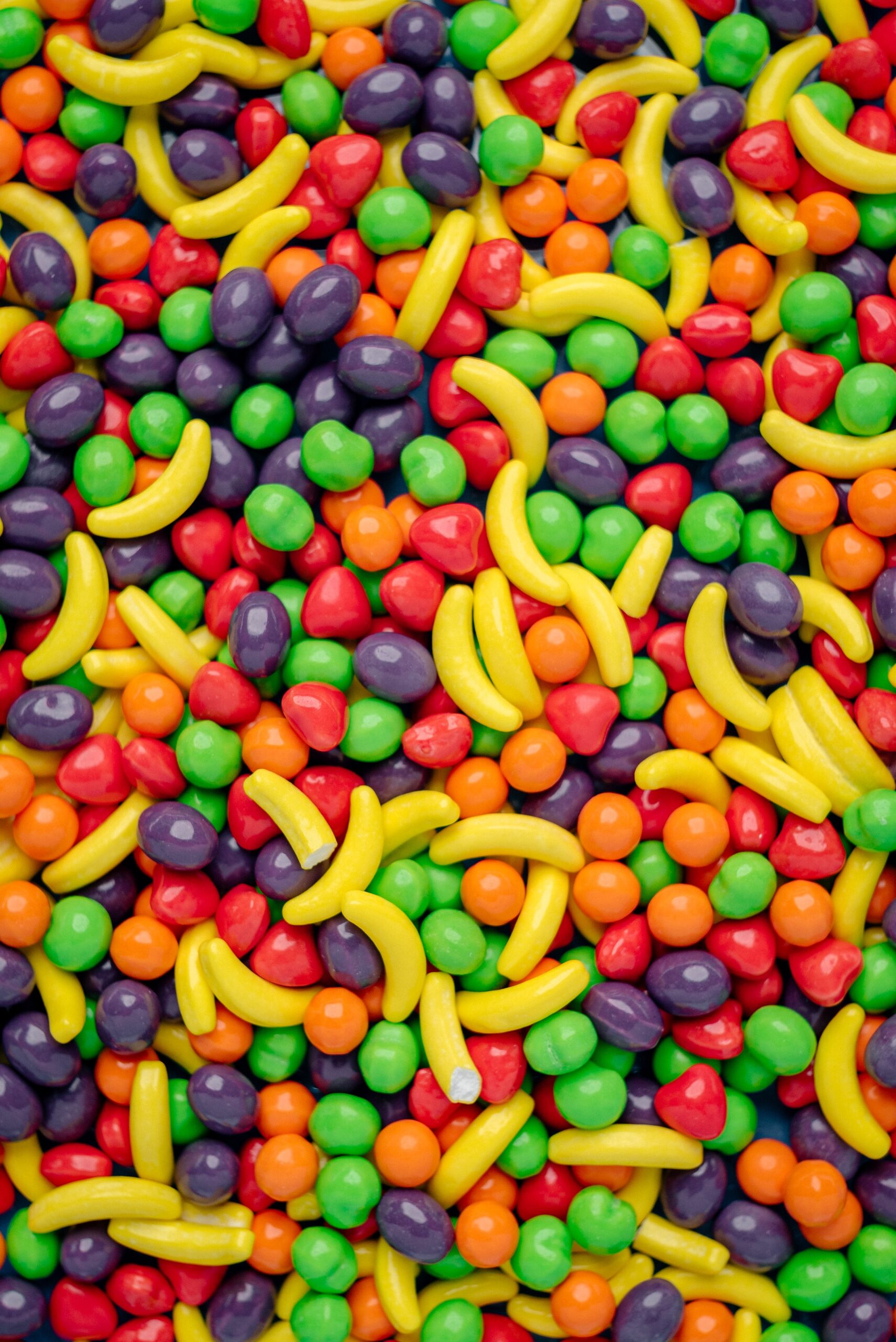
To make hard candy, you need to mix more sugar in your syrup and cook the mixture to a higher temperature (about 300°F or 154°C). For soft candy, boil the syrup to a lower temperature (250° F or 121° C) and use a lower concentration of sugar.
Candy thermometers are useful for special recipes. Temperature plays a major role in determining whether candy ends up being soft or hard. However, they may not be necessary if you’re working with a semi-automatic or automatic candy making machine. These types of equipment handle almost all the steps in the production process, from mixing the ingredients to drying the candy to a specific texture. Some industrial candy making machines even include stainless steel die forming elements that are used to form the candies into various shapes and sizes.
Producing sugar-free candies
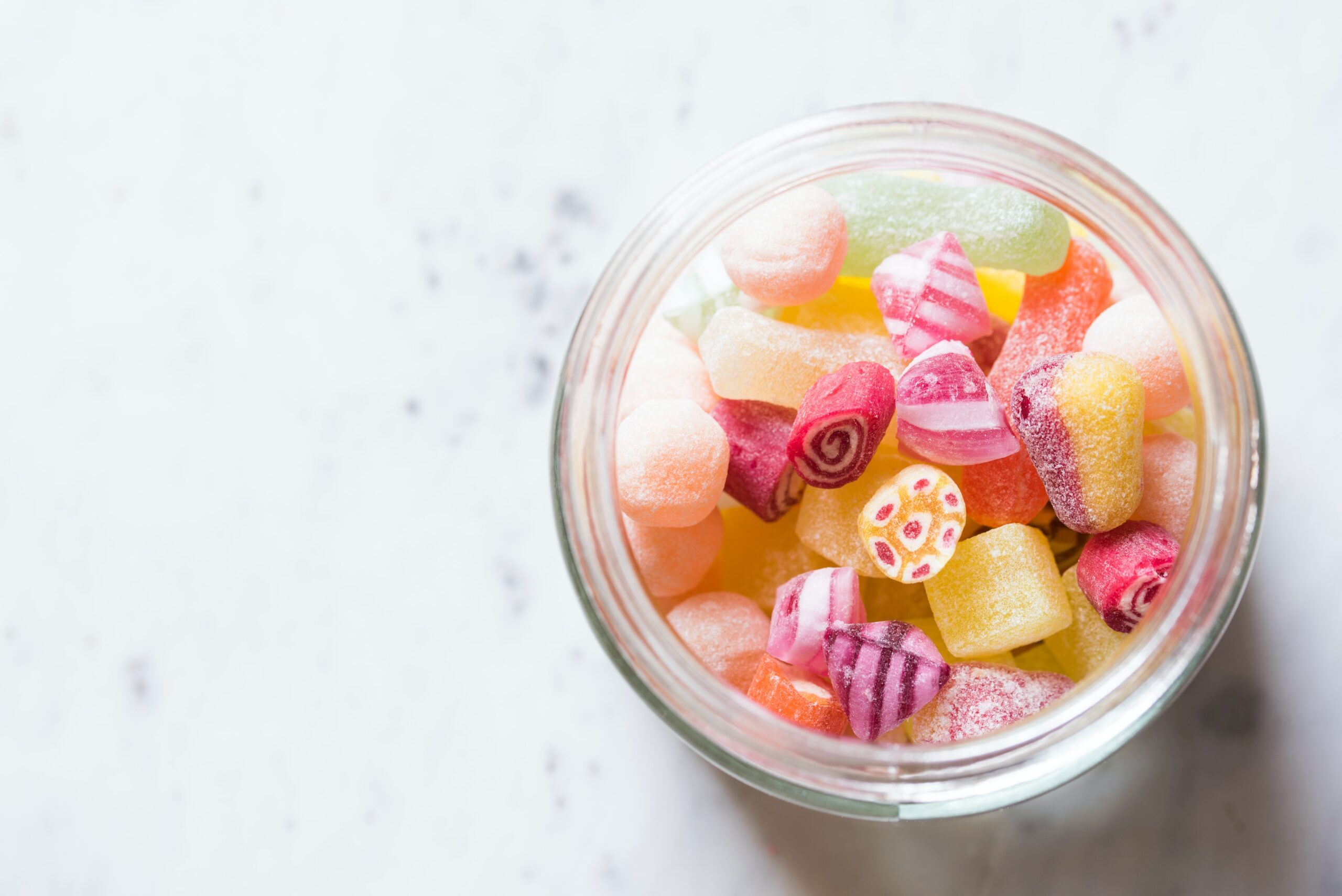
Sugar is an essential ingredient in candies, as it affects their texture and also helps with their preservation. Yet, sugar can be replaced with other ingredients which serve as binders in the making of candies. To produce sugar-free candy, honey can be the base ingredient without any noticeable difference in texture or flavor. Isomalt is another alternative since it melts and hardens in the same way as sugar. That said, isomalt works best for hard candy because it is non-sticky and doesn’t absorb too much water. You may also use sugar-free sweetened corn syrups instead of sugar.
Should you use natural or artificial sweeteners?
Artificial sweeteners such as saccharin, sucralose, neotame, aspartame, and acesulfame can replace natural sugars in the production of candies. They provide minimal nutritional value, but the absence of calories in artificial sweeteners can be an advantage as well, healthwise. Artificial sugars are also less expensive than natural sugars and offer greater protection against cavities. On the flip side, many people dislike the overly sweet taste of artificial sugars. Also, if consumed in excess, they may also pose health problems.
Let's talk about your project!