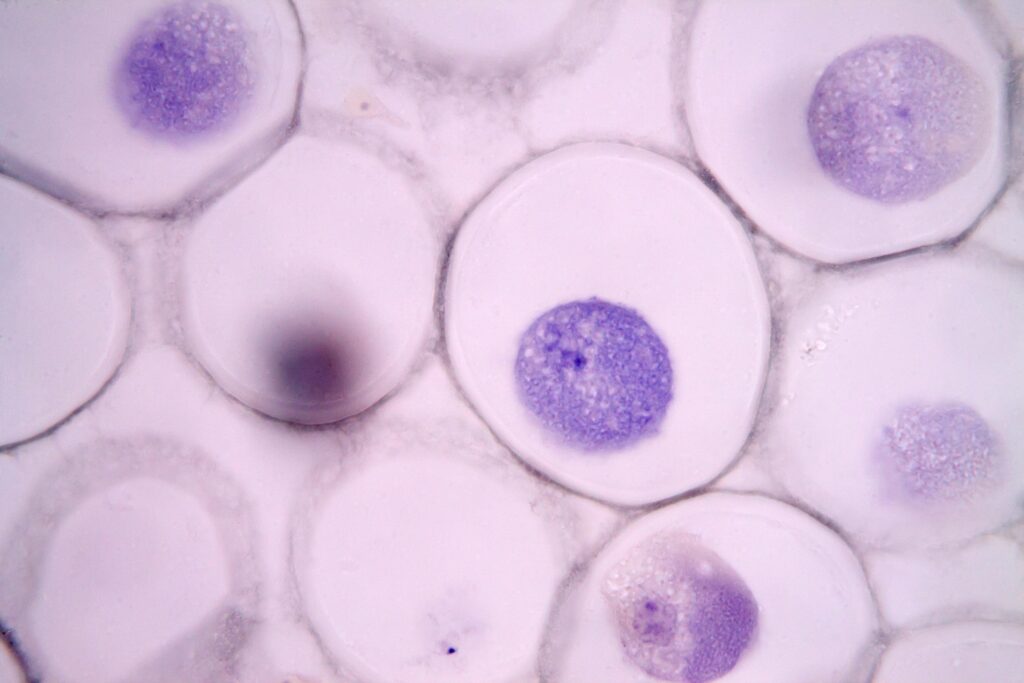
Biopharmaceutical Production Technology
Which technology do you need?
There is currently no equipment listed with your specified properties, but we are sure we can help you. Try us! Contact us
Tell us about your production challenge
Modify biopharmaceutical extracts to stimulate antibodies with vaccines
Recombinant DNA technology is used for medicines such as growth hormone or insulin, monoclonal antibodies, or fusion proteins. As part of their manufacturing process, vaccines are grown in tissue culture, and for gene therapy, viruses are artificially manipulated to include desirable parts of genetic material.
Different approaches or treatments for different types of biopharmaceuticals. Cell-based therapy involves modifying a patient’s own cells or donor cells to fight disease. Blood cells are tightly regulated by an interacting network of biological proteins such as hormones, cytokines, and growth factors. Vaccines contain antigenic components for a specific pathogen in order to activate a patient’s immune system so that it has a memory of the invading pathogen and offers protection when encountered. An example of this would be Covid vaccines. In contrast, monoclonal antibodies target antigens and destroy them, which is used for other purposes such as treatment for transplant rejection. Finally, biopharmaceutical extracts are also used for the production of different serums, hemoglobin, and collagen, which are not considered conventional drugs by the FDA.
Purify the extract during downstream preparation of biopharmaceuticals
Cell isolation, cultivation, cell banking, and culture expansion are called upstream processes. After the developed product is purified for the required density and ready to be harvested, production technology must meet the highest industry standard to ensure that medicines are safe and effective and move through the clinical development stage. Different types of bioreactor systems are used together with different systems for process control and monitoring. Using scalable equipment from R&D to industrial capacity and implementing the right monitoring strategies, for example, CMC regulations will reduce time to market significantly.
After harvest, the production process moves into a downstream process to meet purity and quality requirements. Downstream processing is usually divided into cell disruption, purification, and polishing. (Ultra-)centrifugation is carried out to separate biomass. If the desired product is intracellular, the cell biomass can be disrupted in order to release the product and allow extraction. If the product is extracellular, the medium can be further concentrated. Or, if necessary, de-watering is done by vacuum drying or reverse osmosis. Finally, a purified product is usually mixed with desired excipients before being packed and ready to enter the market.
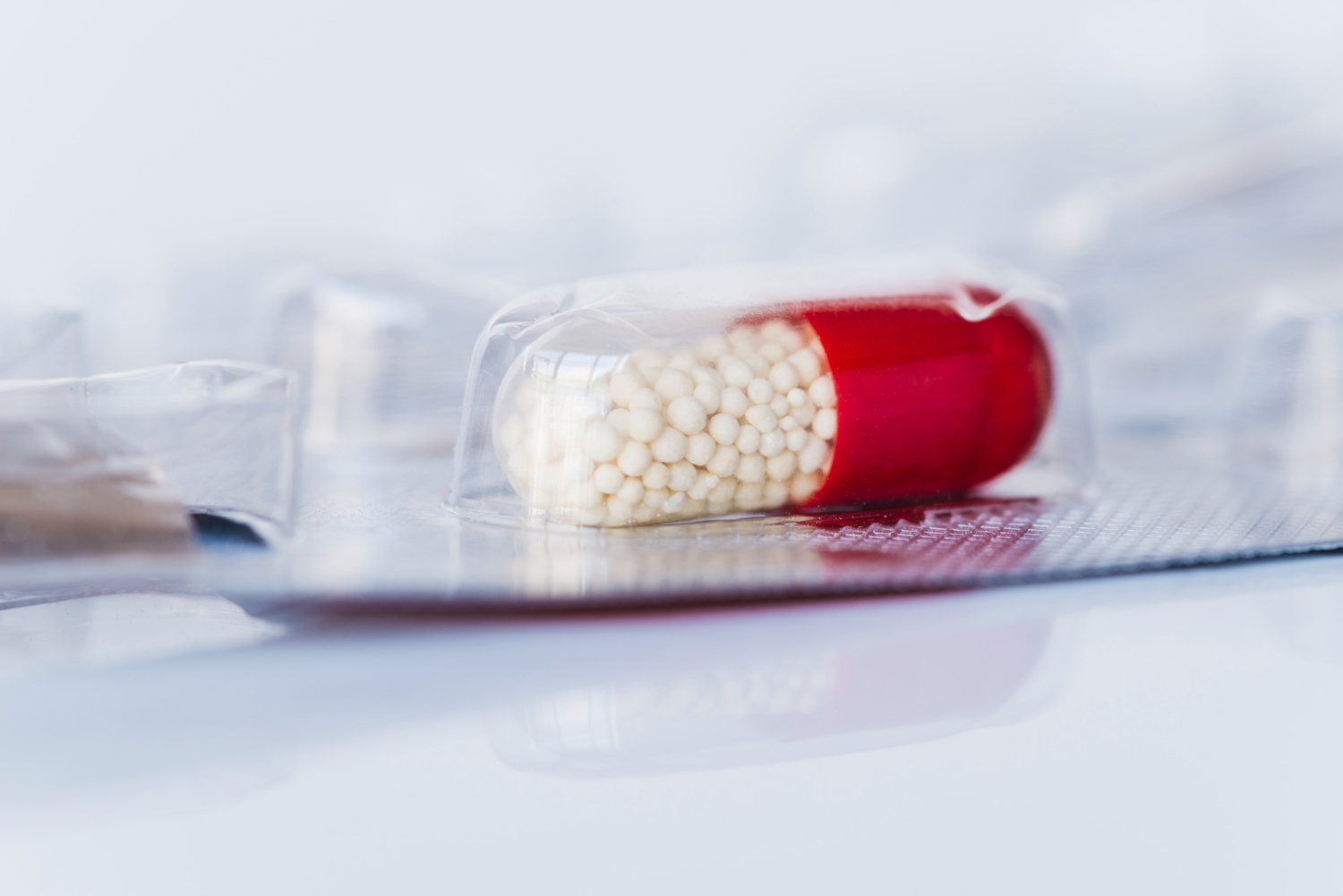
Cultivate the media in a bioreactor
A bioreactor mixes the cell media together in a sterile, pressure-free environment. A main component of bioreactor systems is the agitator that facilitates the bundling of contents, facilitating the reactions between them.
One of the primary challenges of bioreactors is controlling the center of gravity. An integrated baffle arm minimizes the formation of internal vortex effects that cause this while keeping the temperature at a constant.
High performance liquid chromatography for biopharmaceutical manufacturing
High-performance liquid chromatography (HPLC) offers high-accuracy separation using columns. CIM monoliths are made of porous methacrylate polymers composed of interconnected channels that range in size from 1-6 μm. It is these channels that account for the media separation power and flow characteristics and ability to purify large biomolecules, such as large proteins, viruses, plasmid DNA, and immunoglobulins with their activity intact.
Safe processing and packing in biopharmaceutical manufacturing
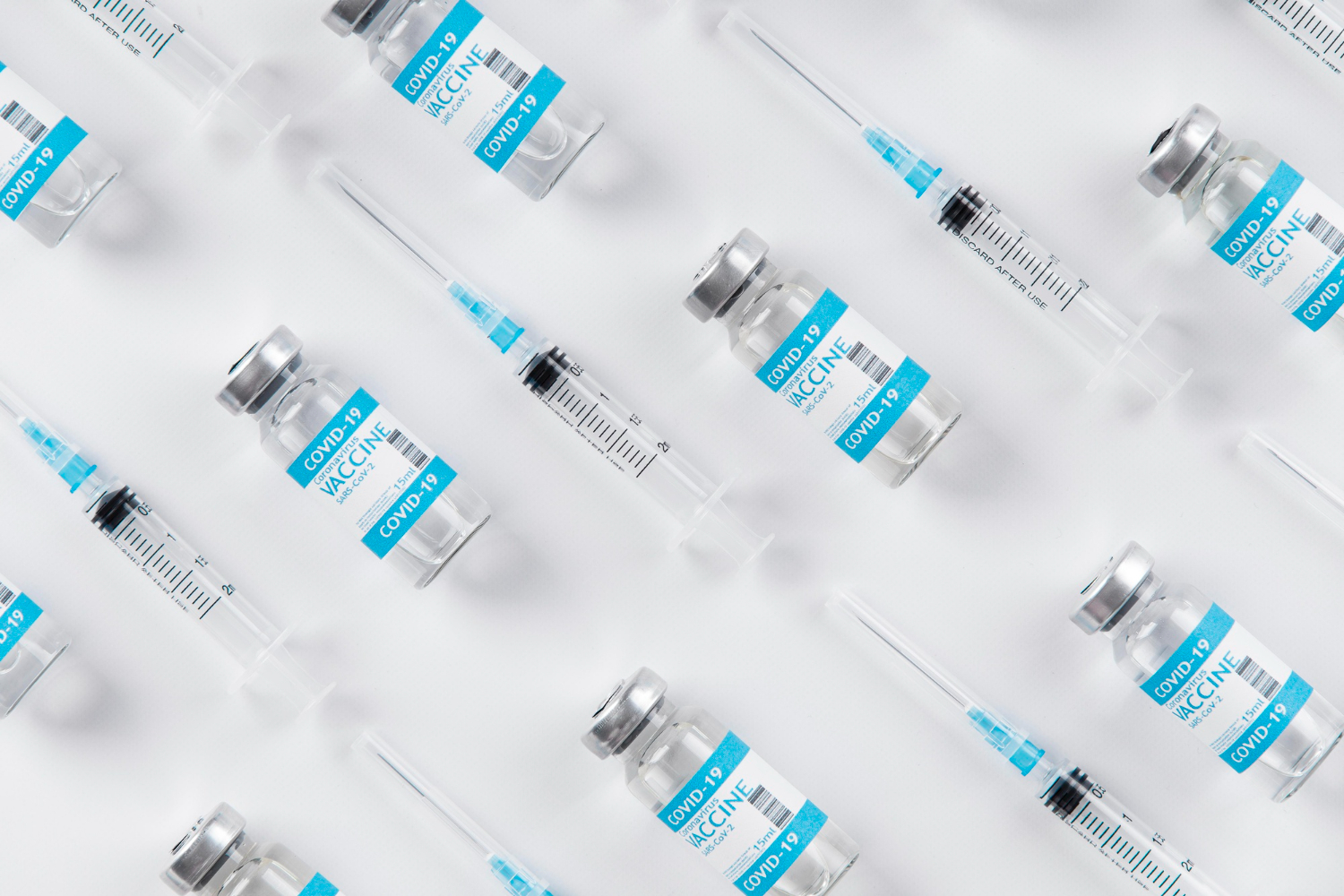
The majority of biopharmaceuticals on the market are parenteral formulations and administered by direct injection usually distributed in single-dose vials or prefilled syringes. Product is provided either as a solution, or more commonly as a lyophilized cake, and strict requirements for product purity, activity, and shelf life dictate a very high standard for injectable drug packaging.
All injectables need to be evaluated for leachables that may have migrated over the product shelf life during formal stability testing. These analytics are crucial when it comes to biopharma manufacturing. Many biotech products are lyophilized in the vial before the stopper and seal are introduced. Lyophilization, therefore, presents its own packaging requirements on vial shape and rubber enclosures. Contact us to find out more about the biopharmaceutical technology that is right for your production needs.
Let's talk about your project!