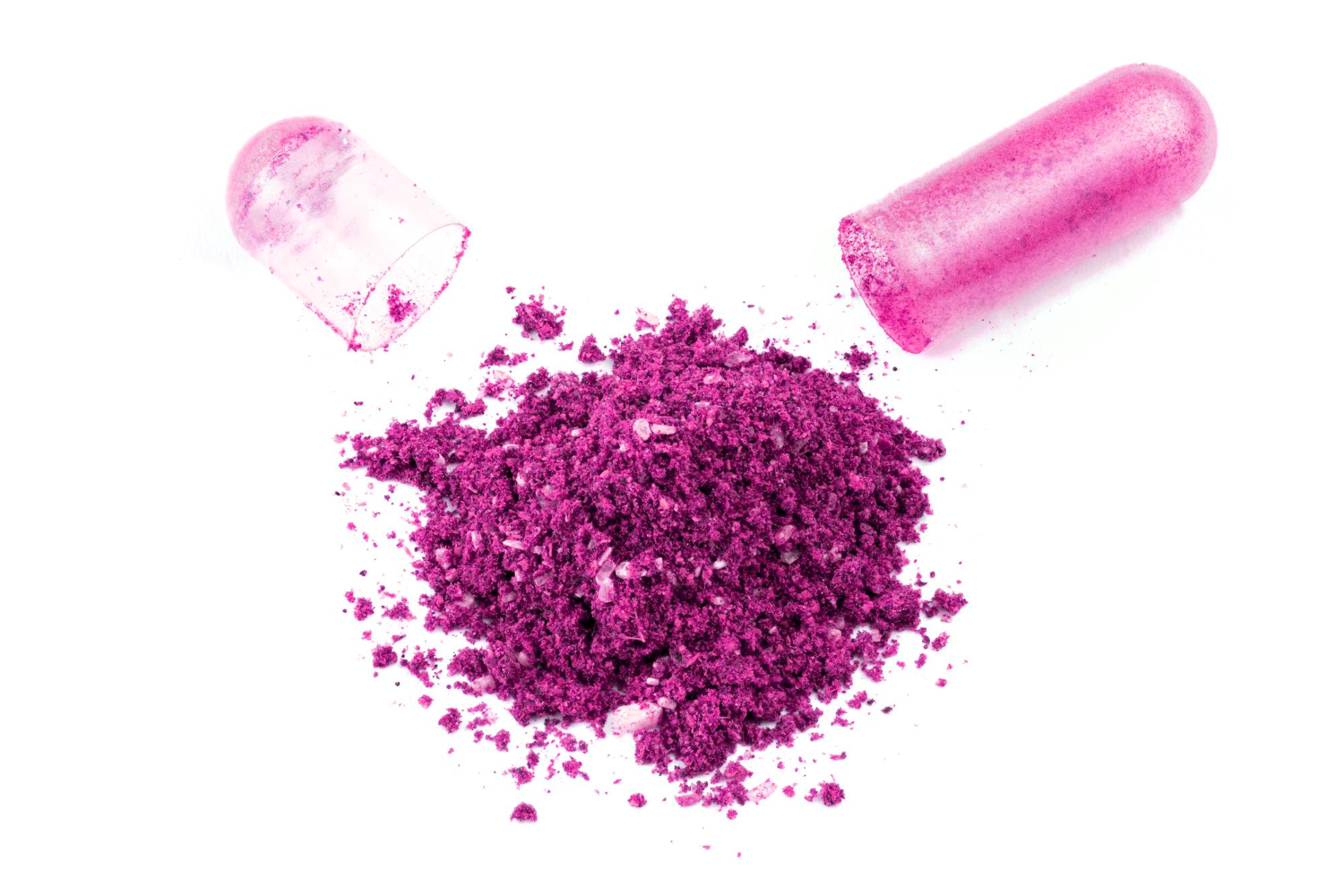
Let's Make Pharmaceutical Powders
Which technology do you need?
There is currently no equipment listed with your specified properties, but we are sure we can help you. Try us! Contact us
Tell us about your production challenge
Reduce particle sizes before manufacturing pharmaceutical powders
Variable particle sizes of pharmaceutical powders develop significant challenges in the manufacturing process. Polydisperse materials have poor mixing characteristics and may lead to clumping instead of particle cohesion. Therefore, powder characterization is an important part of the production process.
Mill your powders before mixing the formula to ensure a homogeneous particle size distribution. The ball mill produces impact and attrition between the material and the moving balls and is suitable for wet and dry grinding processes. Although it downsizes particles to very fine grades, it does not very well handle soft, fibrous materials. A hammer mill adapts better for these kinds of powders.
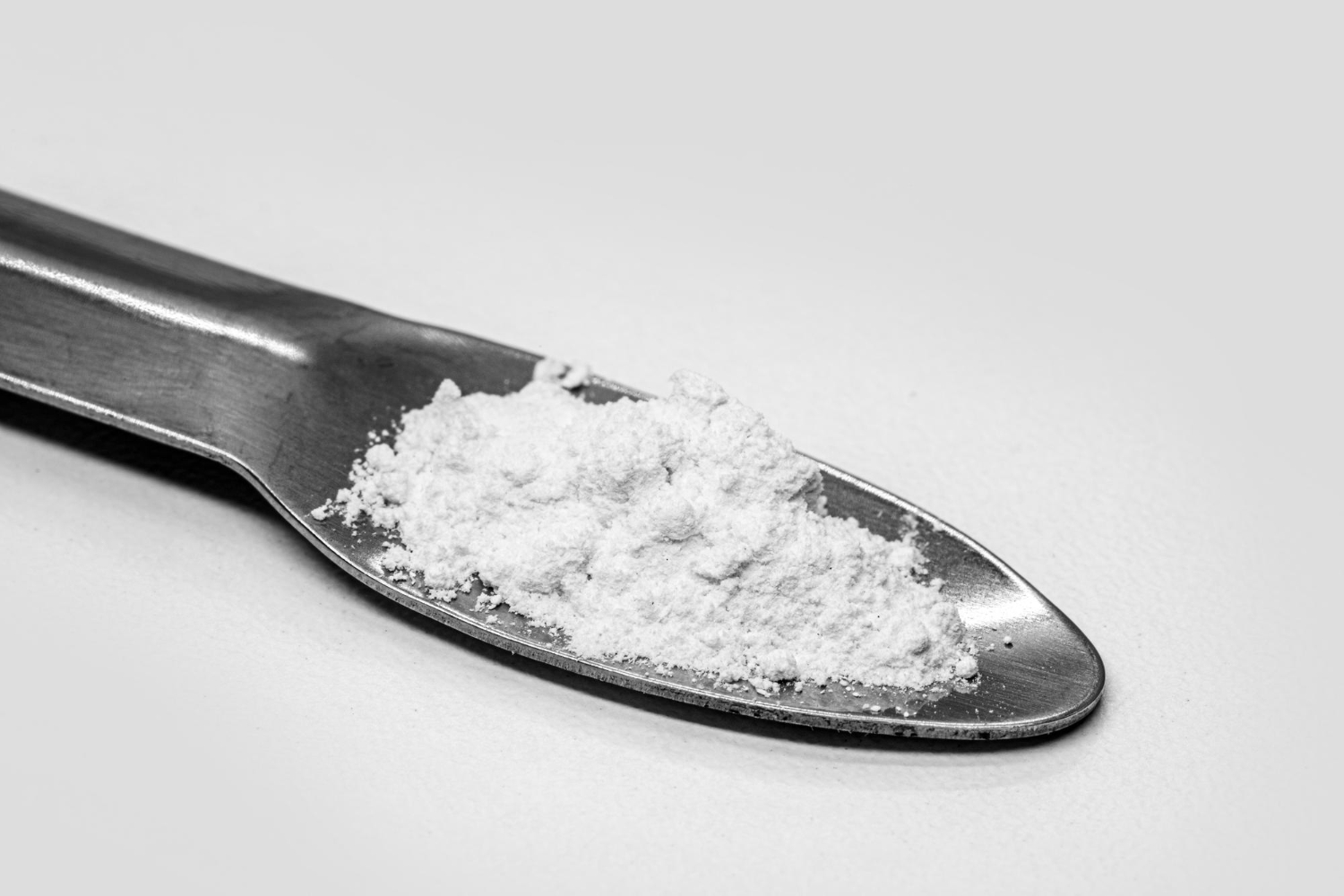
Processing of pharmaceutical powders improves the bioavailability of active ingredients
The fine diameters of pharmaceutical powders achieve high penetrability, making them effective delivery systems for intra-respiratory solutions. Their small particles have a faster dissolution rate and better bioavailability.
However, unless distributed in mono-dose formats, dosing can be inaccurate. Powders typically also have an offensive aftertaste compared to other oral medicines.
Contain pharmaceutical powders in sealed packaging
Non-potent drugs manufactured into pharmaceutical powders are dispensed as bulk products. Medicated powders such as antacids or topical anti-infectives may be stored in containers, but they must ensure airtight closure.
Headache powder, laxative powders, and other products formulated from potent ingredients are prepackaged into single-dose portions. Divided powders, as they are called, reduce the risk of overdosing, so dosing and weighing systems are indispensable for production.
Let's talk about your project!