Breakfast cereal manufacturing equipment
Which technology do you need?
There is currently no equipment listed with your specified properties, but we are sure we can help you. Try us! Contact us
Tell us about your production challenge
Breakfast cereal is one of the most popular meals to eat in the morning around the world. Cereals go through a vast production line. They are usually processed from raw materials such as cereal corn, oats, wheat, and rice. After harvesting, the grains will be crushed to remove the outer layer or ground into flour. To prepare the grains ready to be shaped, they are sent into a rotating pressure cooker and a drying oven. When the grains are grounded into flour, they’ll then be cooked in a cooking extruder, which mixes the flour with other ingredients such as water, vitamins, or flavorings.
After stabilizing the moisture content of the grains, they can be further processed into desired forms ranging from flaked, puffed, shredded, or other special forms of cereals. Granolas and mueslis involve mixing grains with nuts or fruits and cooking them on a conveyor belt through an oven.
Different types of breakfast cereals
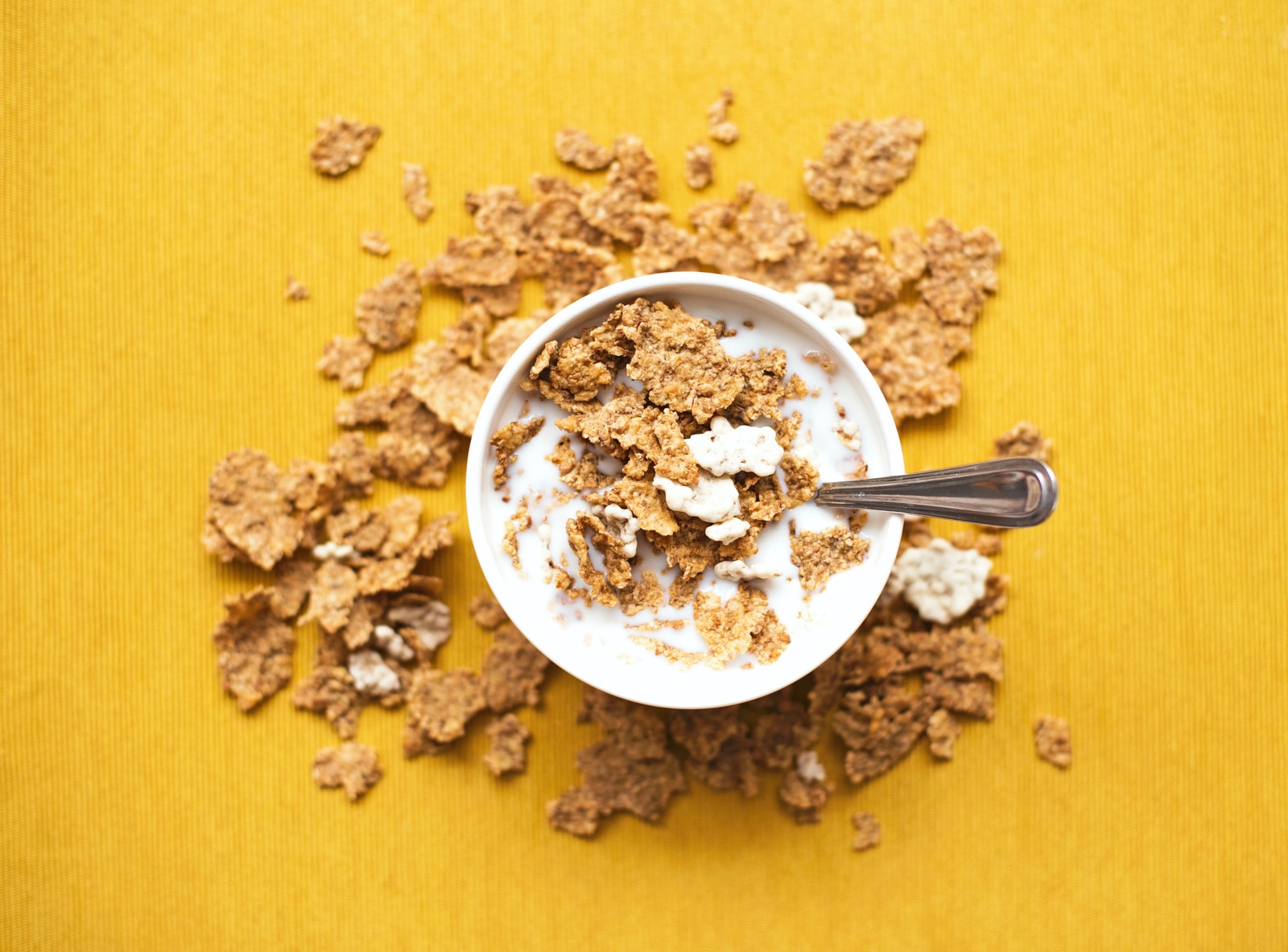
Cereals can be made in various forms and shapes through extruders and pellets. Gone are the days when there were only breakfast cornflakes. Nowadays, there are so many different varieties of breakfast cereals. Special forms of cereals, such as circles or shapes of alphabets, can also be achieved by adding a die to the end of the extruder to form a ribbon which will later be cut.
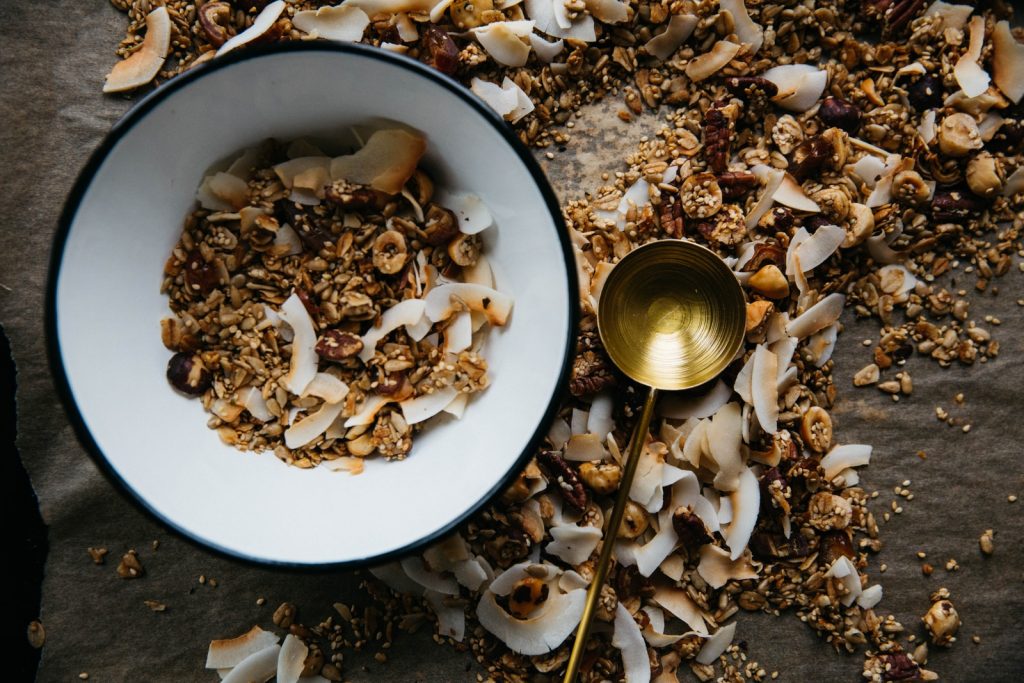
Granolas are processed by baking the grains until crispy, coating them with honey, and sometimes mixed with dried fruits or chocolate chips. On the other hand, muesli keeps the most nutrients since the grains are directly flattened and mixed with dried fruits or other ingredients.
Producing cereal bars and snacks - way more than cornflakes!
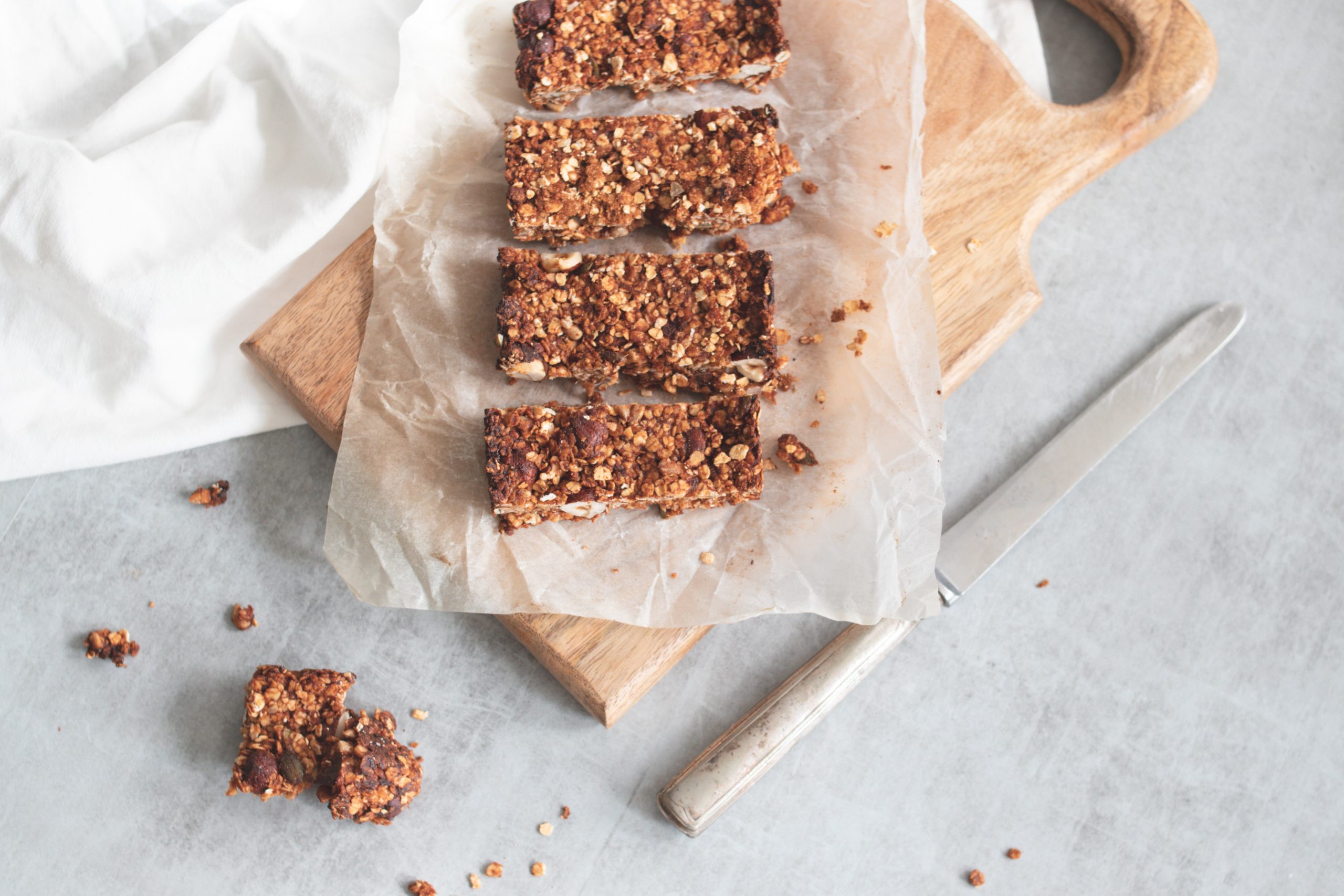
In the healthy snacking sector, cereal bars and cereal-based snacks play a large part in the demand for healthier eating due to the nutrient content and convenience factor. To process cereal mix to cereal bars, accurate feeding of major ingredients and molding are quite essential.
First, the cereal mix should be mixed evenly with the binder, which is usually agglutinate syrups. After the mixture is laminated and dried, it can be cut into a bar shape and fed into a flow wrapper for packaging.
Packing your cereal products
While some cereals, such as shredded wheat, are pretty resistant to moisture and stored directly in cardboard boxes, some cereal products need to be placed in an airtight and waterproof bag to protect them from being damaged. Resealable, flexible, and stand-up pouches have shown a growing trend in cereal packaging. At the same time, as the off-to-go snack bar has become more popular, single-serve packing also shows its potential.
Let's talk about your project!